GC-Net South 2025: Unstable weather and cold day at NASA-U
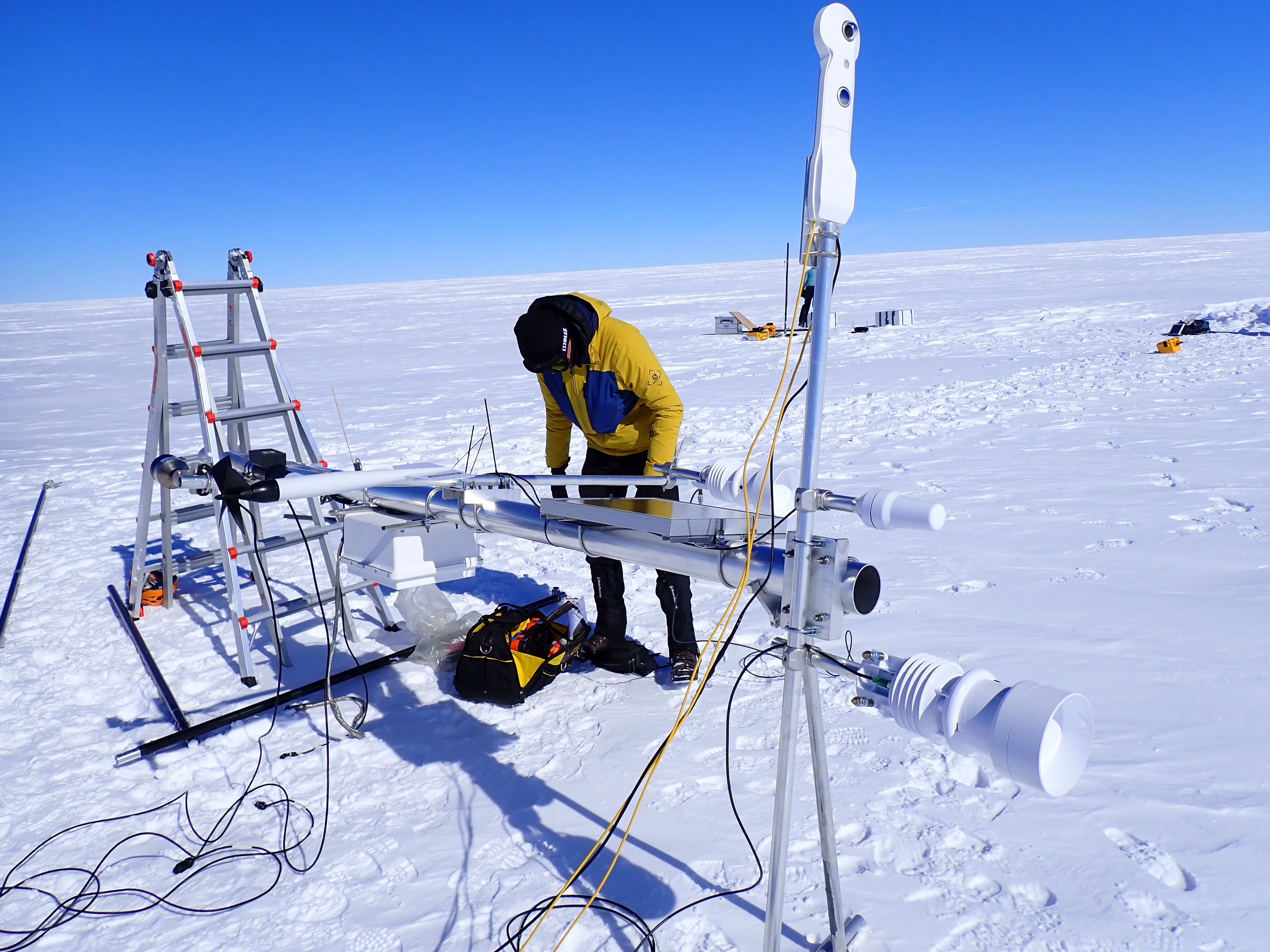
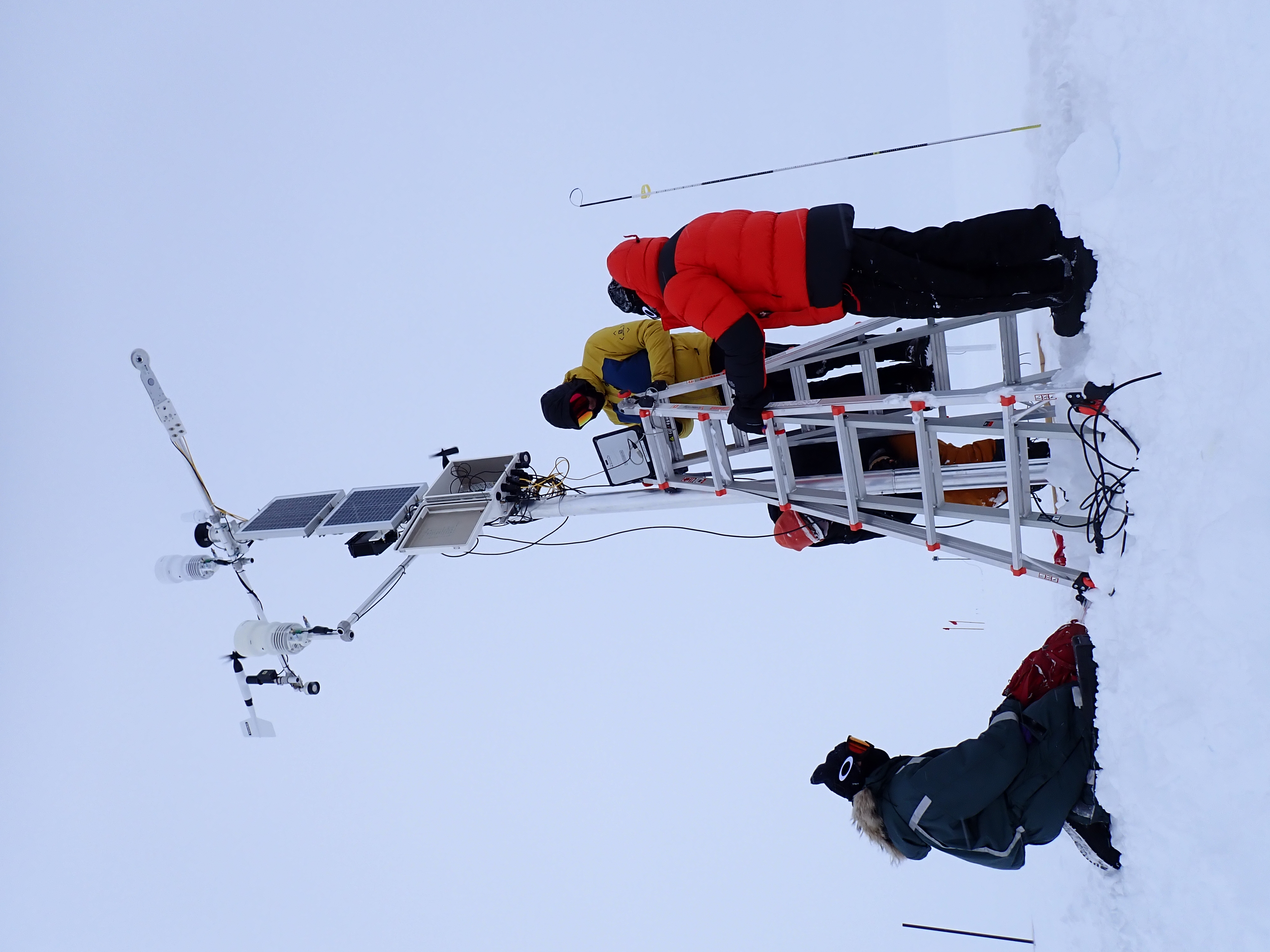
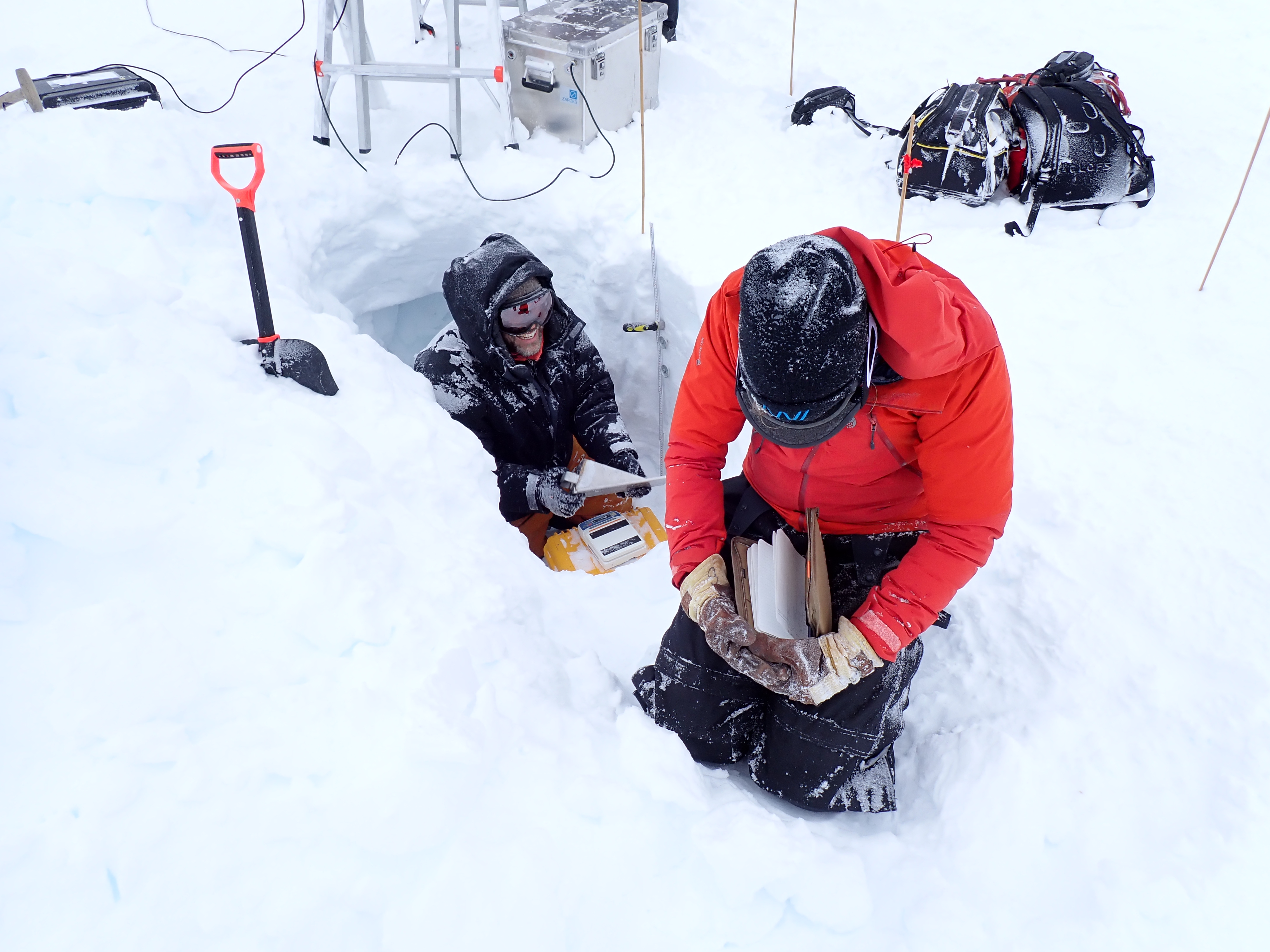
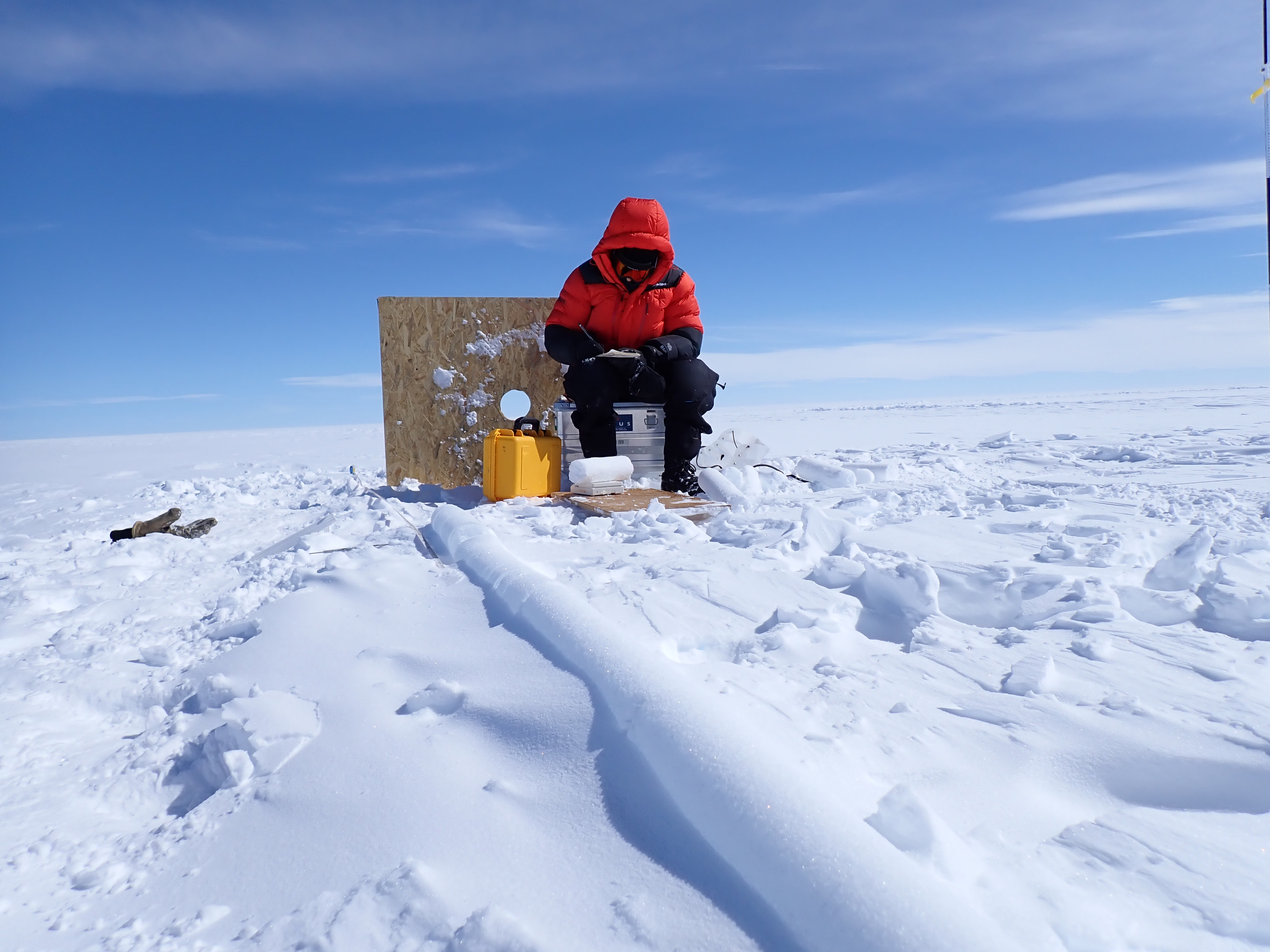
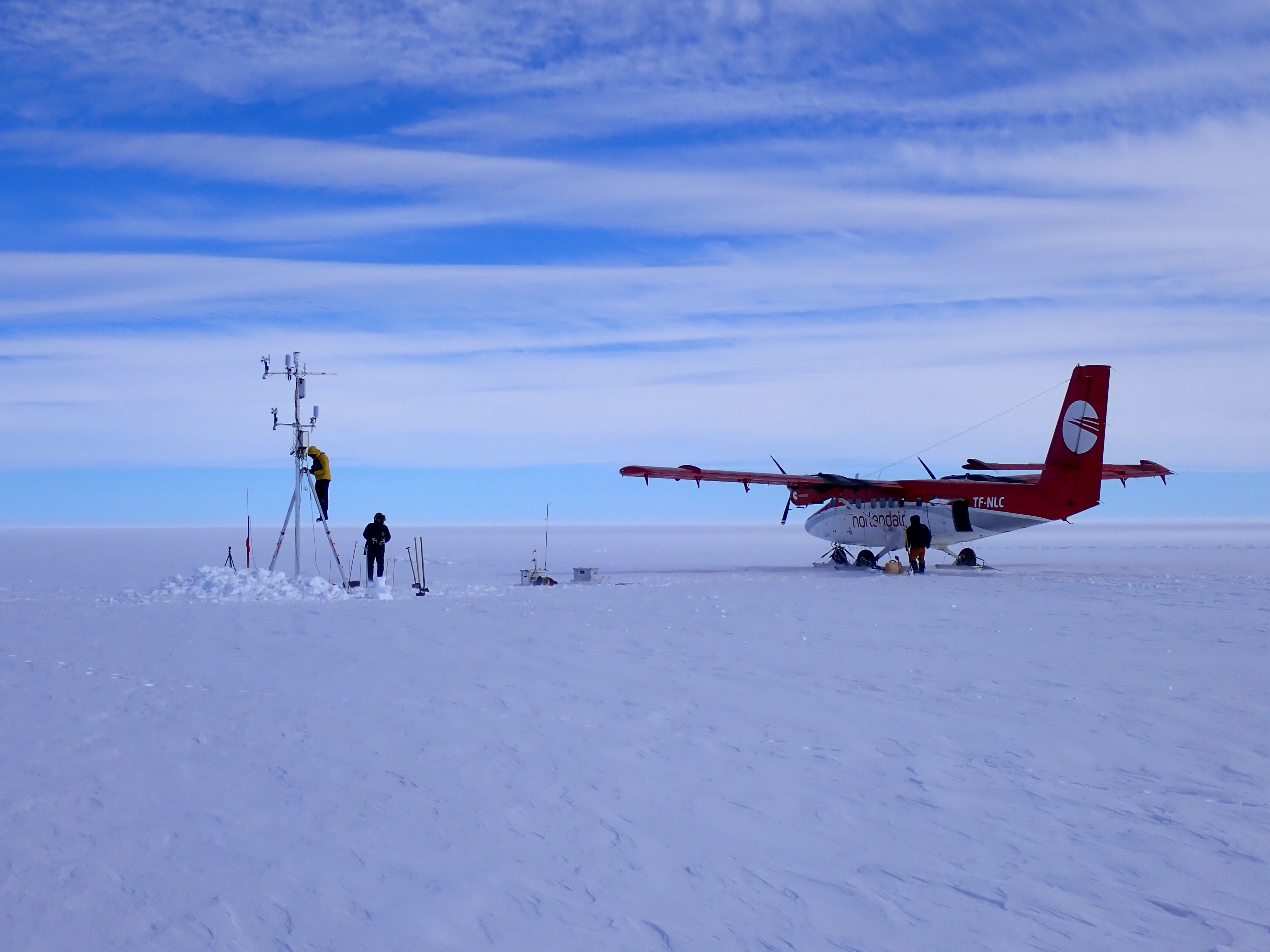
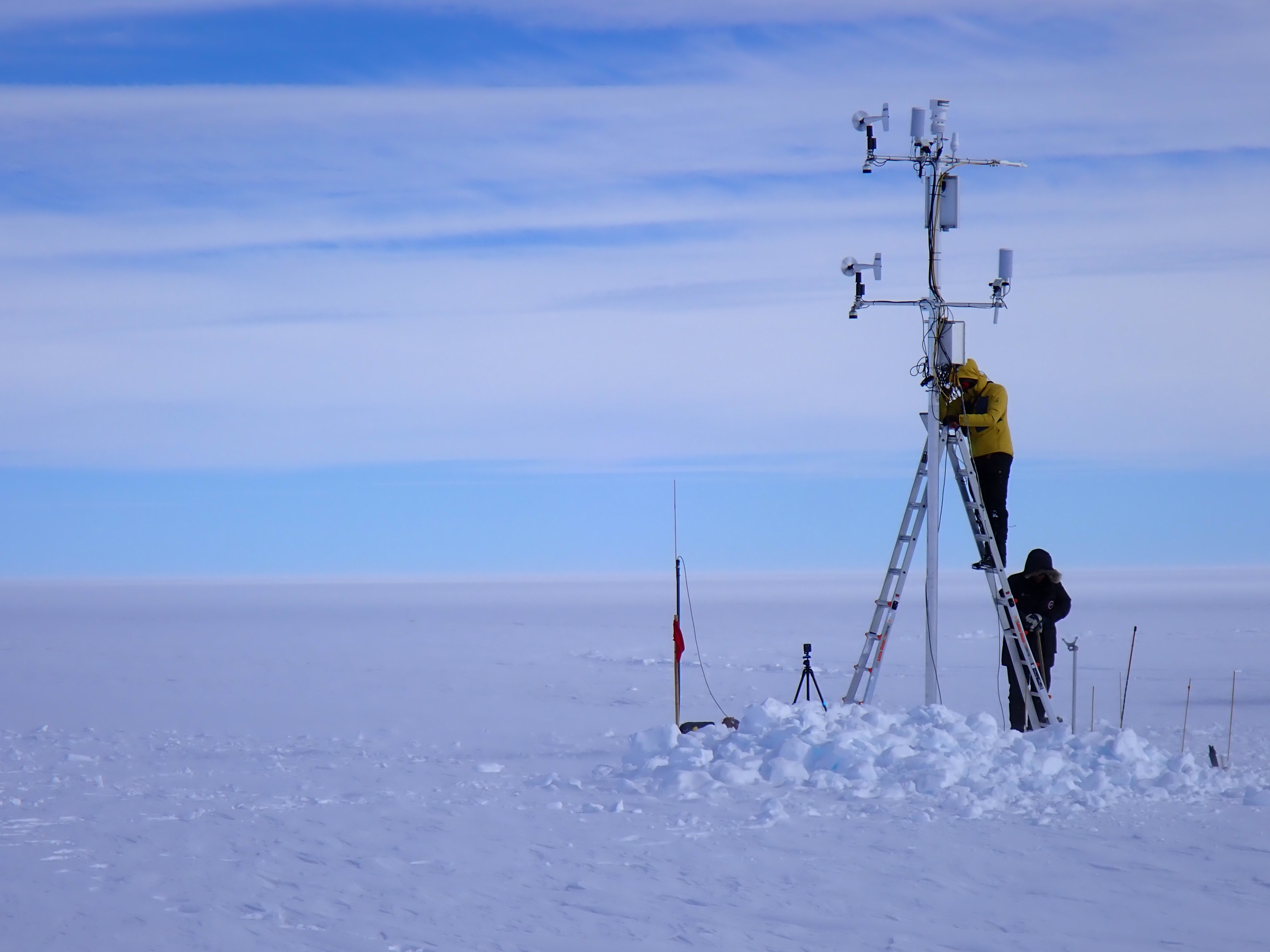
The GC-Net South 2025 field campaign was defined by rough weather from the start. Storms rolling in from Iceland pushed us away from Kangerlussuaq and the southern stations, so we headed north in search of clearer skies—though the tradeoff was colder conditions. Our first stop was Crawford Point (CP1), with an overnight in Ilulissat. The next day, we reached NAU, which hadn’t seen a full maintenance since 2022 and clearly needed attention. Temperatures dropped to -25°C with 12 m/s winds, giving a brutal wind chill of -40°C. A close call with frostbite reminded us: in these conditions, there’s no room for exposed skin.
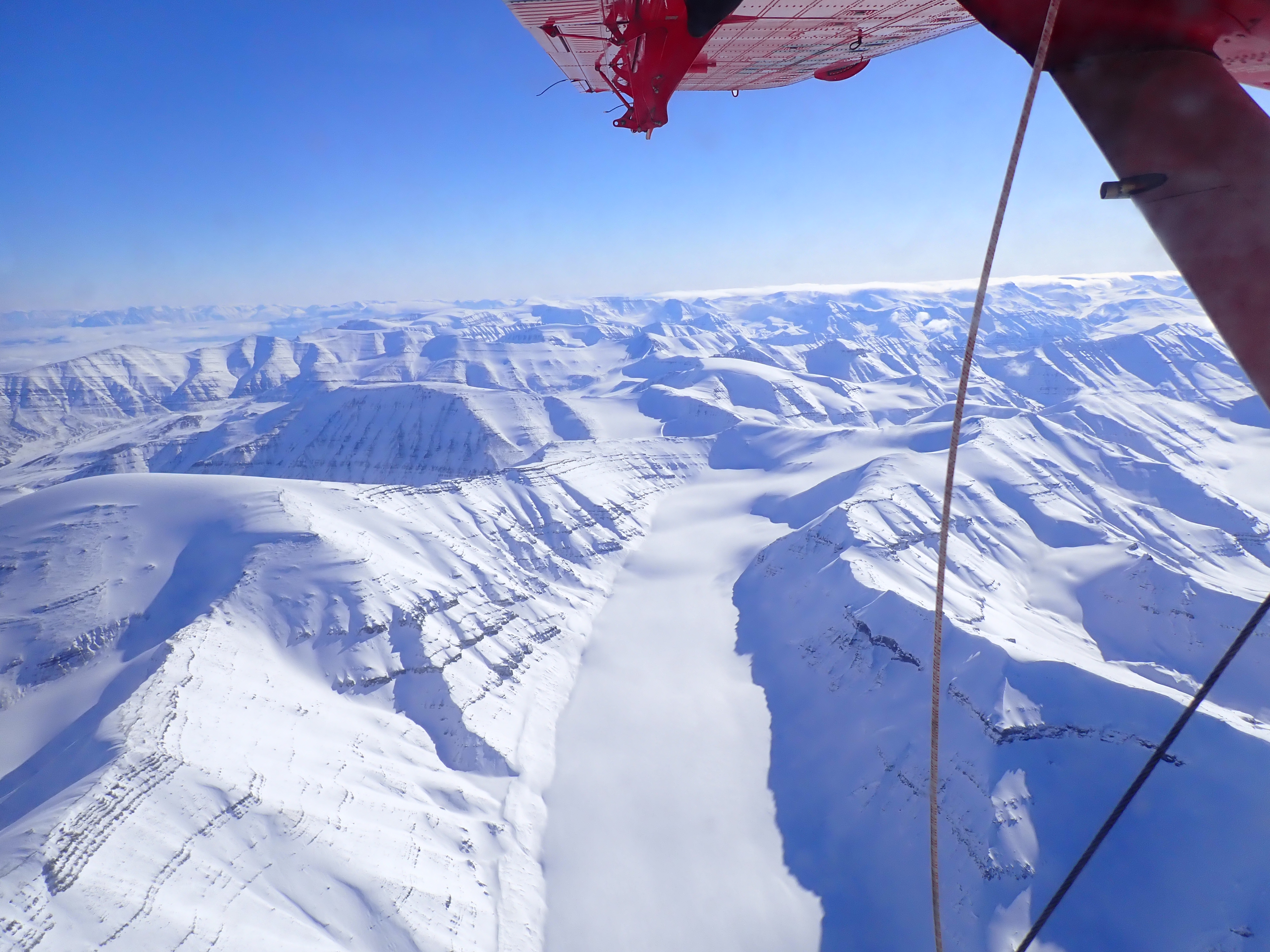
After a tough day on the ice, we landed in Upernavik to wait out yet another storm. The break gave us time to regroup before flying weather returned. We made it back to Kangerlussuaq, picked up two more teammates, and continued directly to DYE-2 (DY2), a key hub for multiple departmental projects. Alongside the weather station, DY2 hosts radar systems, GNSS, compaction instruments, and even a cosmic ray detector—each tracking a unique aspect of the snow and firn. I also completed a ground-penetrating radar survey for Anja Rutishauser’s Fydro project.
Taking advantage of every short weather window, sometimes just a few hours long, we reached KAN_U and South Dome (SDM). As our official mission wrapped up, three teammates volunteered to stay longer to cover the last two sites: NASA-SE (NSE) and Saddle (SDL). Thanks to that final push, every station on the list was visited. Despite the weather challenges, the GC-Net South 2025 campaign was a full success.